🏗️ Building Construction Q&A & Standard Room Sizes
Essential civil engineering guide for construction professionals and homeowners

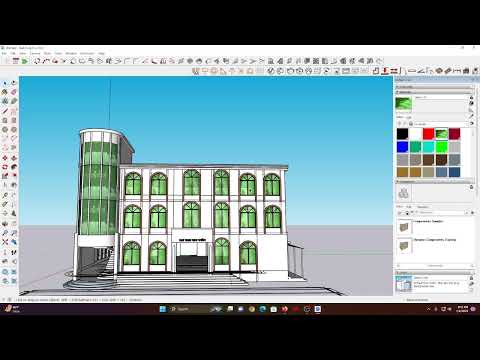
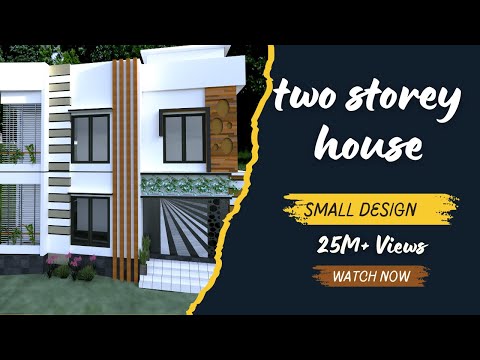
Reference diagram for building construction specifications
📋 Common Construction Q&A
1. What is the unit of calculation of the door frame?
Answer: Frame is calculated in cubic meters.
2. What is the unit of work of door step?
Answer: The thickness of the slab is specified separately, and the work is calculated in square meters.
3. What is the unit of work for window grill and grill color?
Answer: Both items are equal to the measurement of the window opening. And it is calculated in square meter unit.
4. In the case of panel, framed, braced doors, how many times the door opening is considered for color work?
Answer: 2.25 times the door opening is assumed.
5. How much of the opening is caught in the color of the flush door?
Answer: 2 times the opening is considered.
6. Where are inverted beams used more?
Answer: Porch beams in buildings are mostly designed as inverted beams.
📐 Standard Sizes of Different Parts of House Building
Plinth Height: Not less than 150 mm or 6 inches.
Living / Drawing Room: Height ≥ 2.75 m, Area ≥ 9.5 m², any side ≥ 2.4 m.
Kitchen: Height ≥ 2.75 m, Area ≥ 5 m², any side ≥ 1.8 m.
Toilet: Clear height ≥ 2.0 m, Size ≥ 1.8 m².
Store Room: Height ≥ 2.2 m, Area ≥ 3 m².
Garage: Height ≥ 2.4 m, minimum size 2.5 m × 5 m.
Stair Width: 1 m for house, 1.5 m for hall, 2 m for institution.
Tread (step width): Minimum 250 mm. Riser (step height): 150 mm.
Headroom (clear height): Minimum 2.2 m at any location.
💡 Light & Air Requirements
There should be at least the following open walls for the entry of light and air (as per building codes). Proper ventilation and natural lighting are essential for habitable rooms.
Minimum openable area: Usually 1/10th of floor area for light and ventilation. Specific local building codes may apply.
.png)